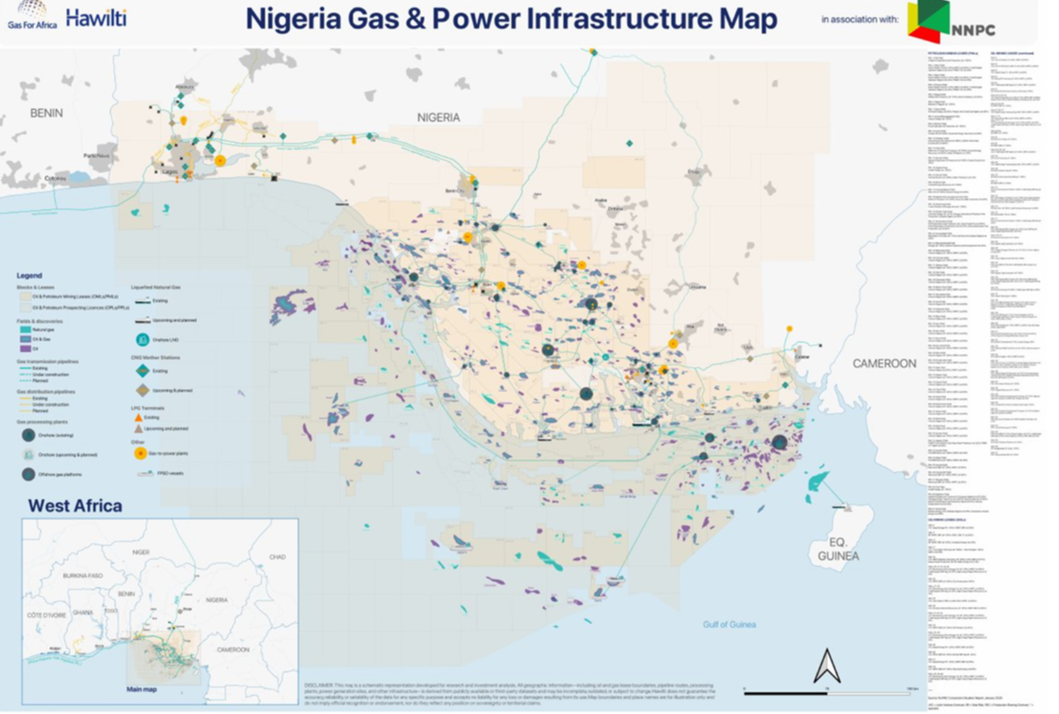
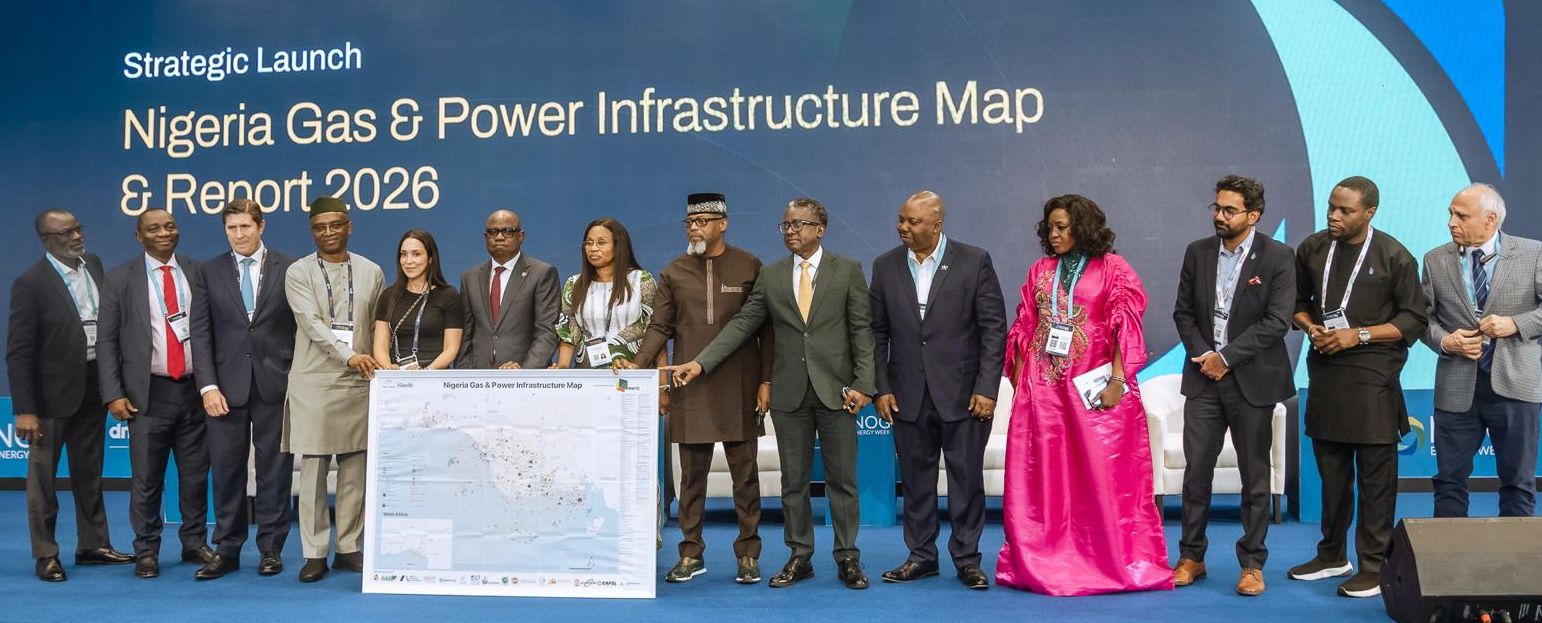
To support its energy transformation, economic diversification and industrialisation agendas, Nigeria has embarked on an ambitious mission to enhance gas penetration, reduce energy costs, and promote cleaner energy sources.
Central to this strategy is the "Decade of Gas" initiative launched in 2021, which aims to position natural gas as a cornerstone of national development until 2030. This initiative is bolstered by the 2021 Petroleum Industry Act (PIA) – an overhaul of Nigeria’s oil & gas legal framework – and recent executive orders from President Bola Ahmed Tinubu providing better incentives to produce gas, including the removal of gasoline subsidies. However, the country’s gas infrastructure remains underdeveloped, posing a significant challenge to achieving these goals.
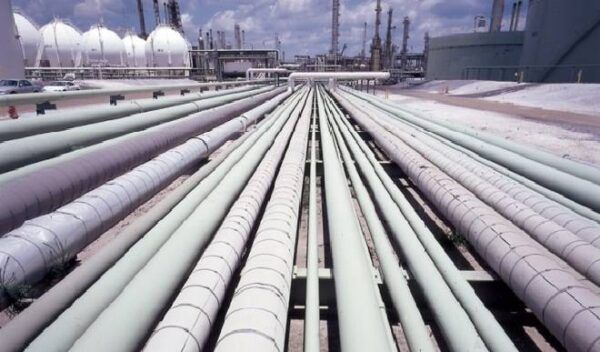
Historically, the Nigerian National Petroleum Corporation (NNPC) and International Oil Companies (IOCs) have dominated the gas sector, driving infrastructure development through substantial investments in pipeline and processing infrastructure. Throughout the 1990s and 2000s, these investments led to the construction of a backbone gas network linking production centres in the Niger Delta in the Southeast to the consumption and industrial centres in the Southwest, and to the commissioning of the Nigeria LNG terminal, the Escravos Gas-to-Liquids plant, and several gas-to-power plants.
Yet, NNPC’s financial constraints and IOCs’ shift away from Nigerian onshore to focus on deepwater developments are reshaping midstream and downstream infrastructure development dynamics.
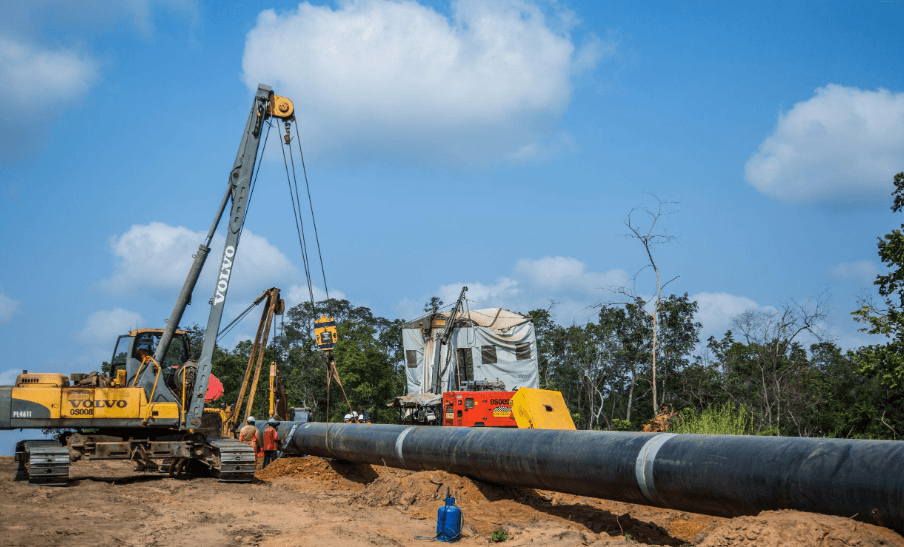
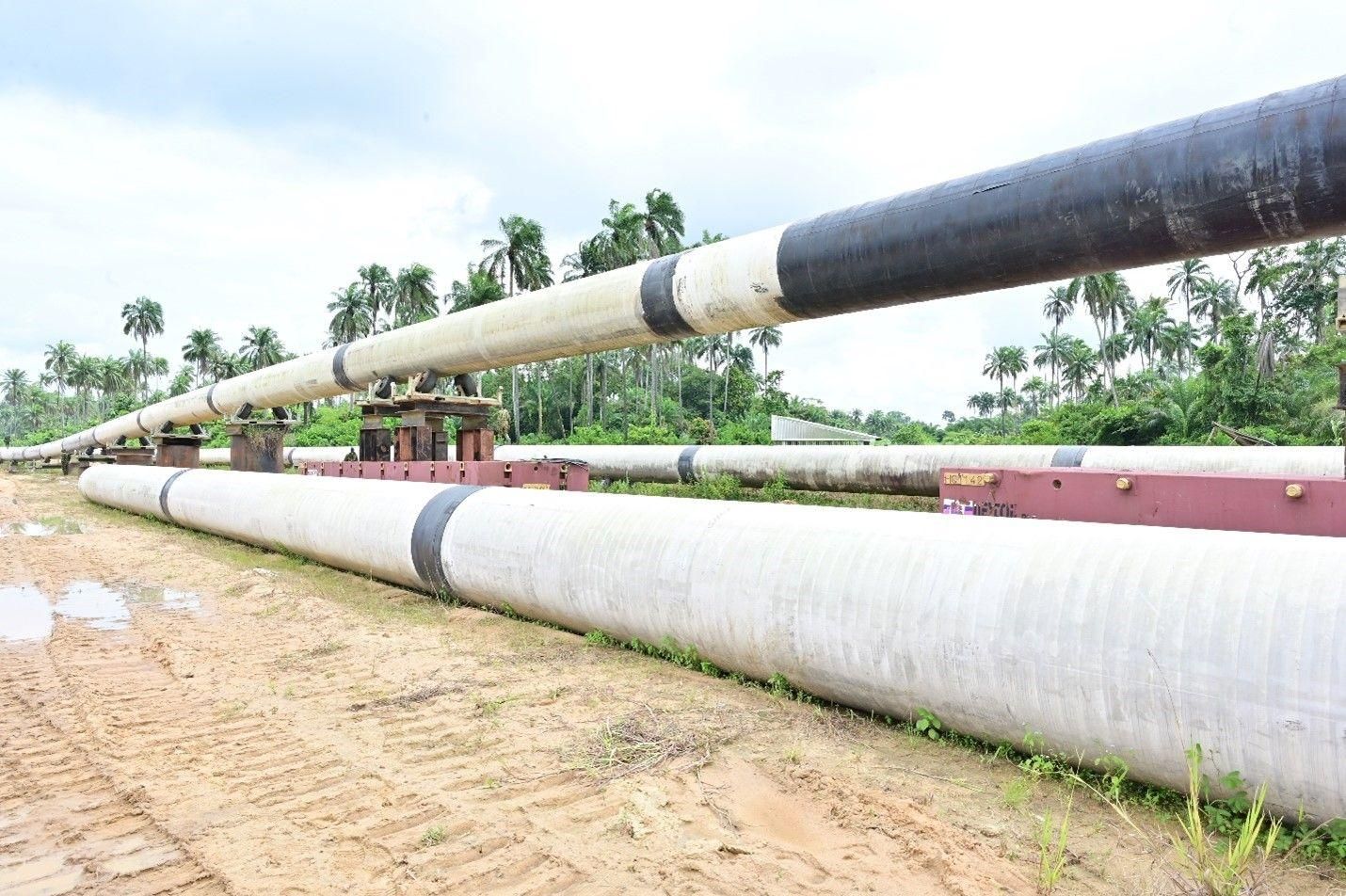
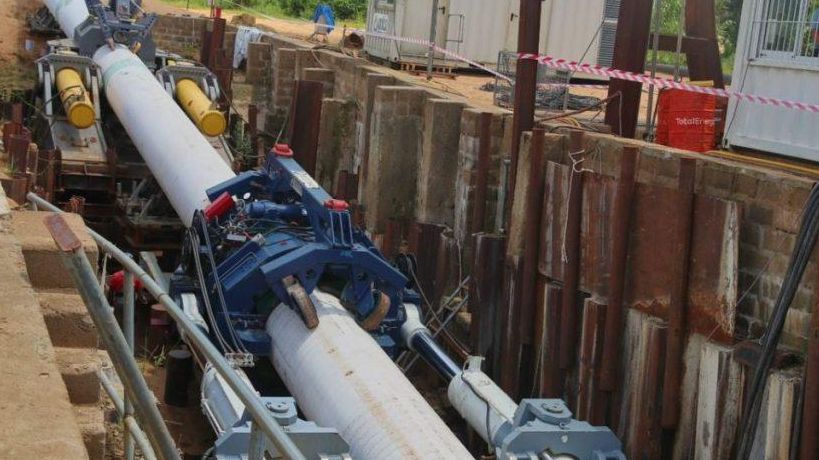
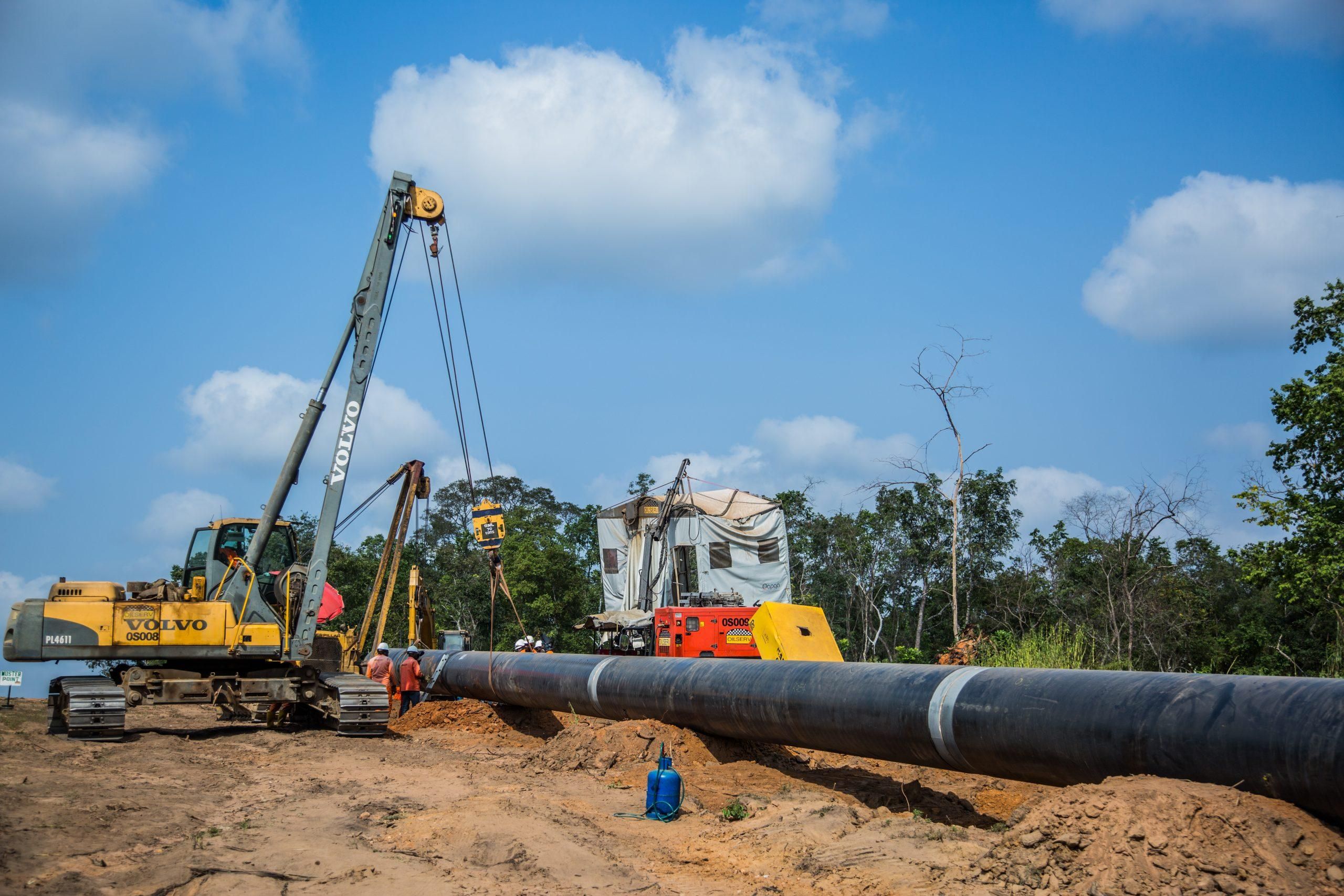
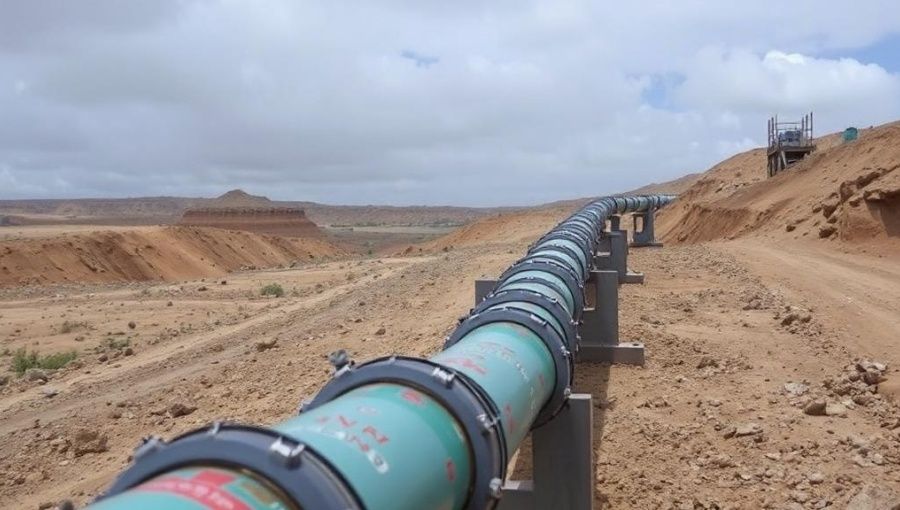
State-owned NNPC ambitions to expand the backbone network to connect states in the Middle Belt and in the North but securing financing for such plans has become increasingly challenging. Its landmark pipeline project to connect South and North, the Ajaokuta-Kaduna-Kano (AKK) Gas Pipeline, has demonstrated the complexity of developing critical gas infrastructure projects in today’s environment. The 614km pipeline is currently under-construction but faces financing constraints that affect its timeline, despite its ability to provide gas to all industries in the Northern states and unlock feedstock for 3.6 GW of future power generation capacity.
Despite their deep pockets, IOCs in Nigeria have rationalized their portfolio and have little appetite to expand the country’s midstream and downstream gas infrastructure. Their investments are largely driven by the need to provide feedstock to Nigeria LNG – of which TotalEnergies, Shell and Eni are shareholders. Shell is the only exception given that its subsidiary Shell Nigeria Gas operates some 150km of downstream gas pipeline network supplying over 140 industrial and commercial customers.