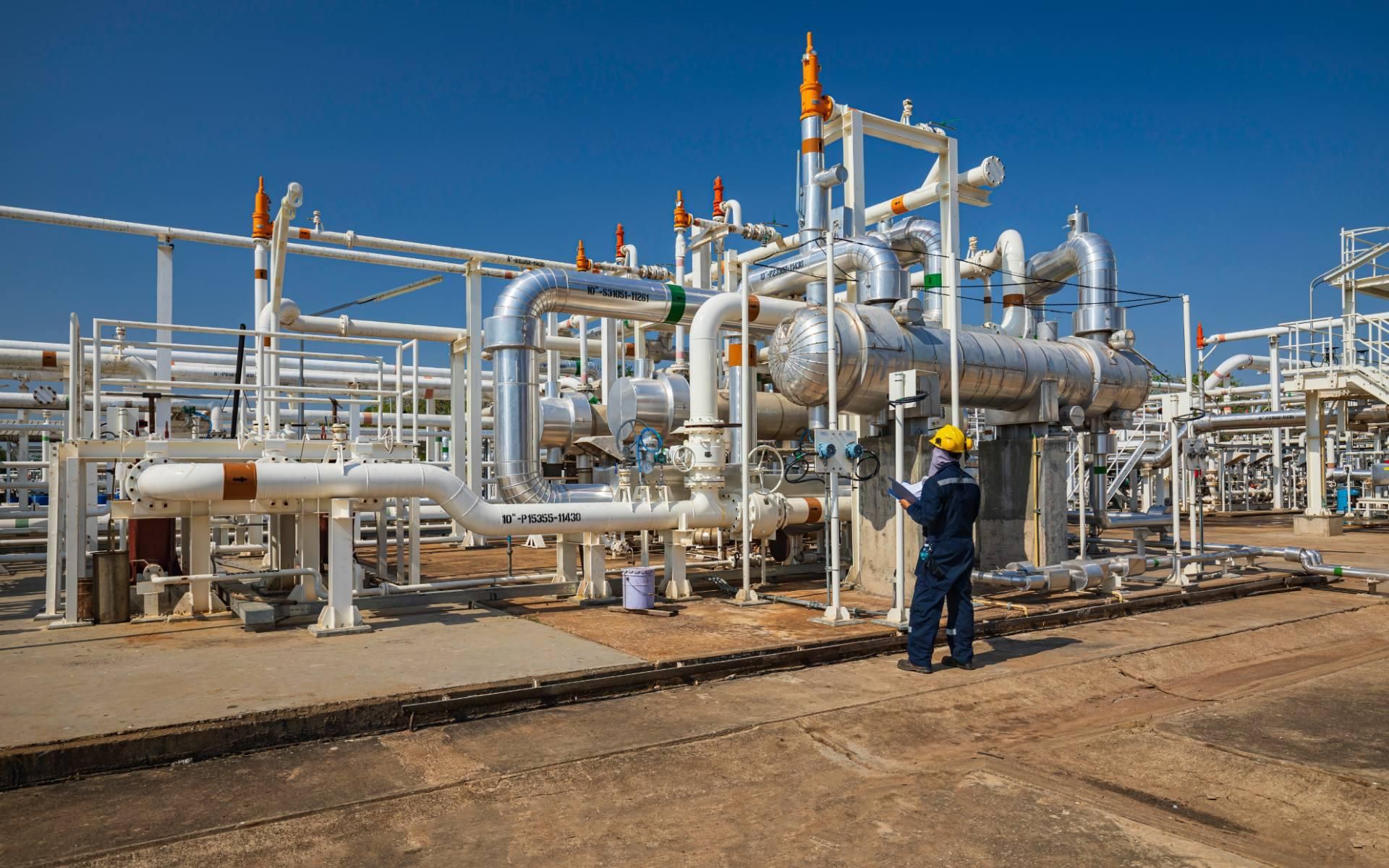
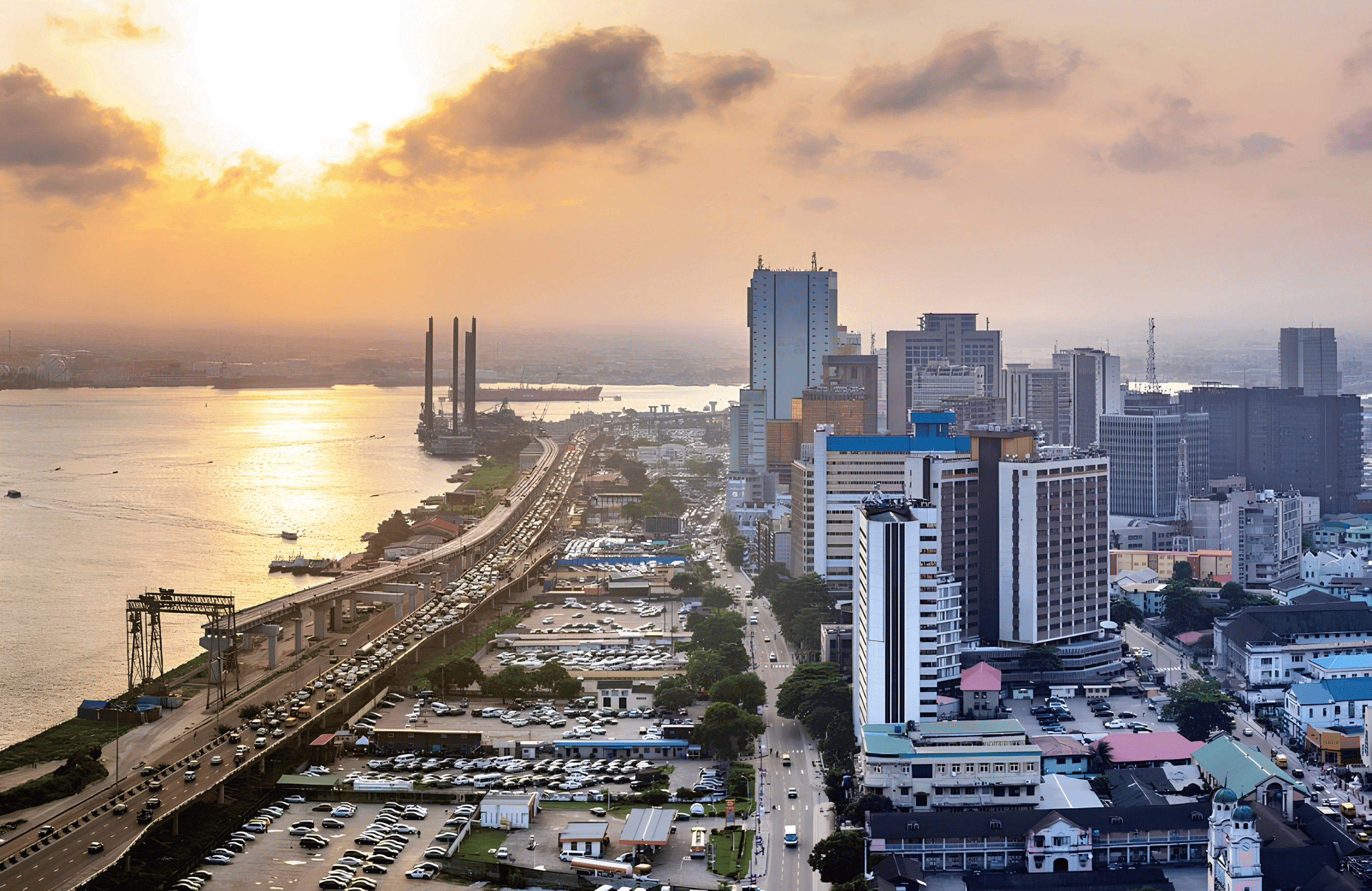
The Brass project is expected to generate turnover of more than $1.8 billion annually, contributing significantly to Nigeria’s foreign exchange earnings and government revenues. Beyond exports, methanol production will supply feedstock for local industries such as plastics, paints, textiles, adhesives, and fertilizers, reducing imports and catalyzing downstream manufacturing. The development will create up to 15,000 jobs during construction and about 5,000 permanent operational roles, with wider opportunities across services and supply chains.
Strategically, BFPCL strengthens Nigeria’s Decade of Gas agenda by monetising previously stranded reserves and channeling them into value-added processing. The integration of a gas processing plant, pipelines, methanol production, and domestic CNG supply positions Brass as a hub for both industrial growth and regional energy trade.
Sustainability is embedded in the project design. A carbon capture system capable of recovering 95% of CO₂ emissions will ensure all methanol output is classified as Blue Methanol, giving Nigeria an early foothold in the low-carbon fuels market. By combining large-scale gas monetization with carbon abatement, the Brass project advances national industrial and climate objectives, anchoring Nigeria as both a competitive global producer and a leader in cleaner energy development.