While supply diversification is critical, infrastructure will determine how quickly gas reaches the market. South Africa is currently ramping up investments to reshape its gas transmission and import capacity.
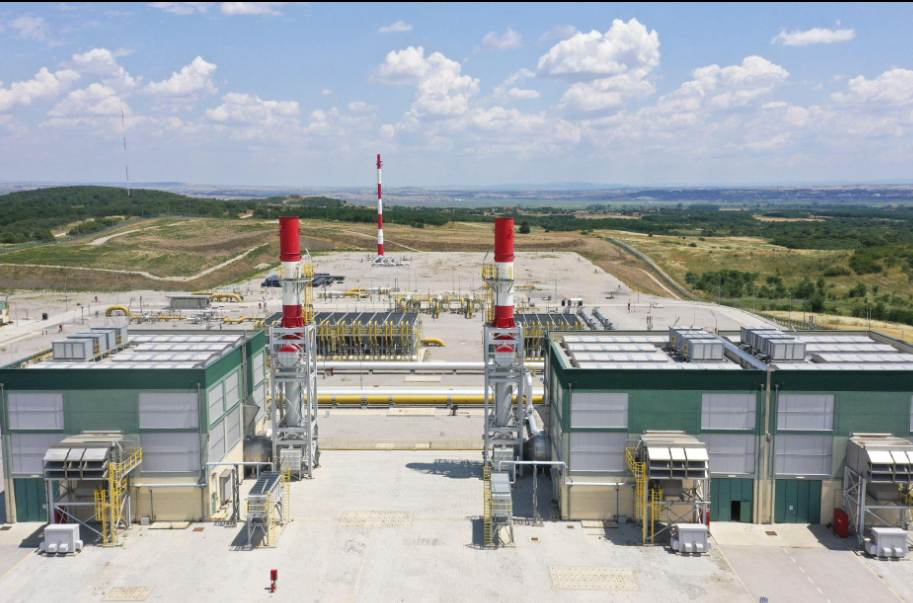
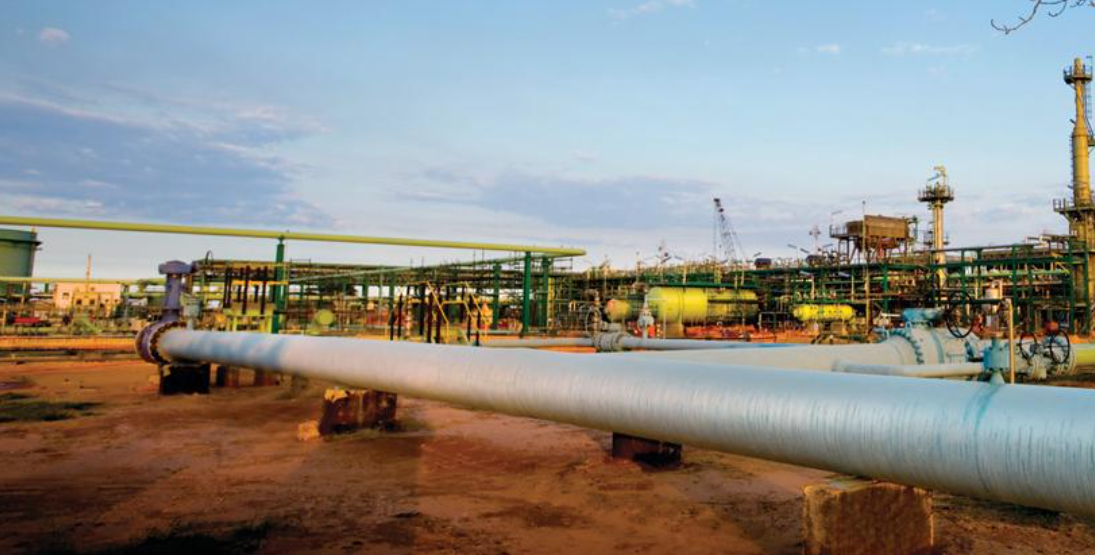
The ROMPCO pipeline, connecting Mozambique to Secunda, remains a vital asset. It links to Sasol’s network in Gauteng and to Transnet’s pipeline grid, enabling distribution to Richards Bay and Durban. However, with Pande and Temane reserves declining, new supply routes are urgently needed.
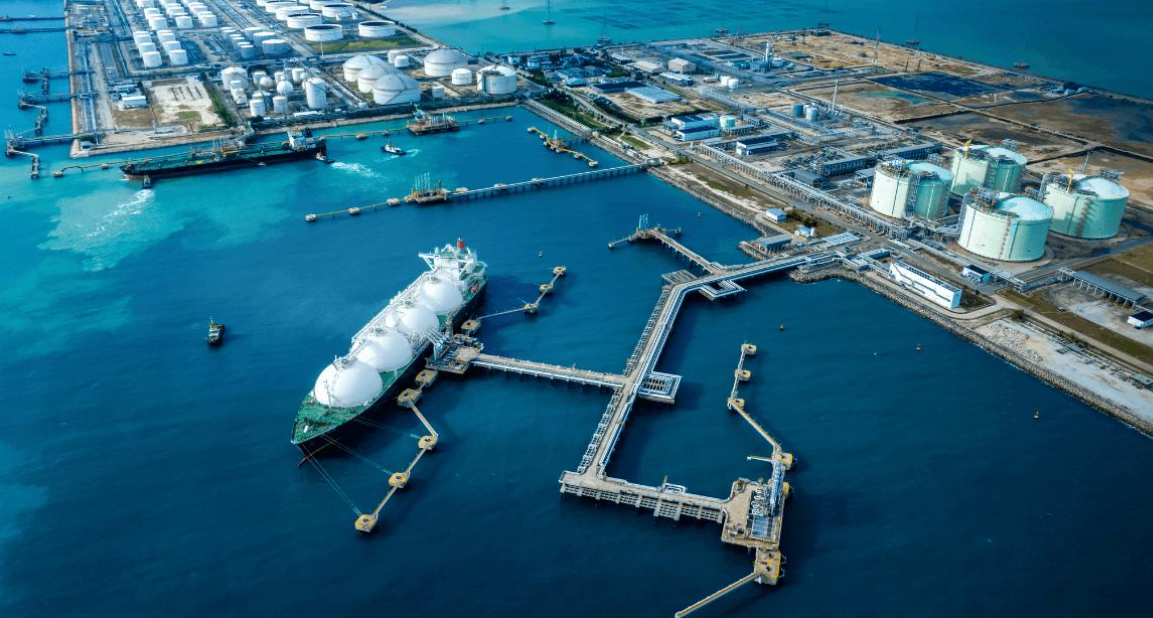
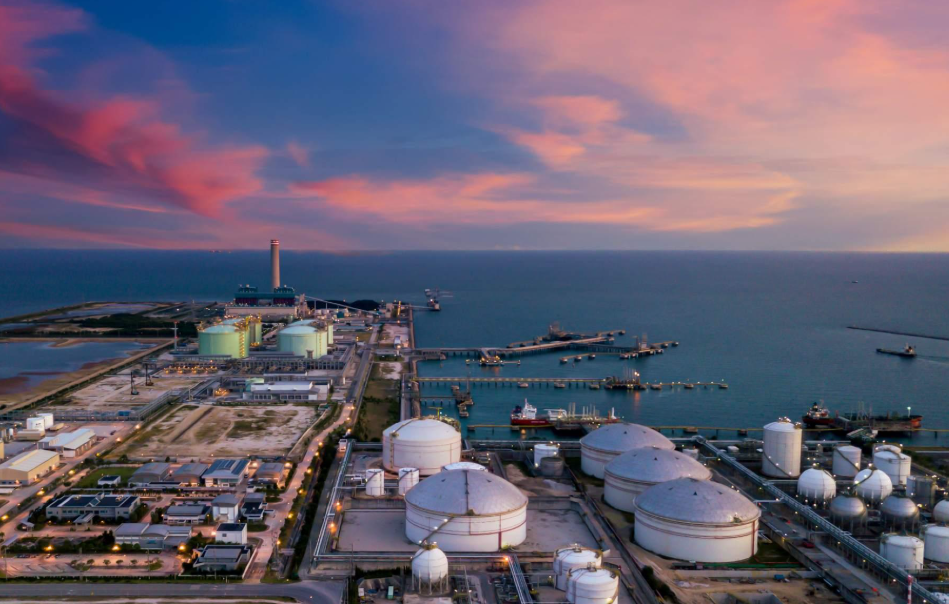
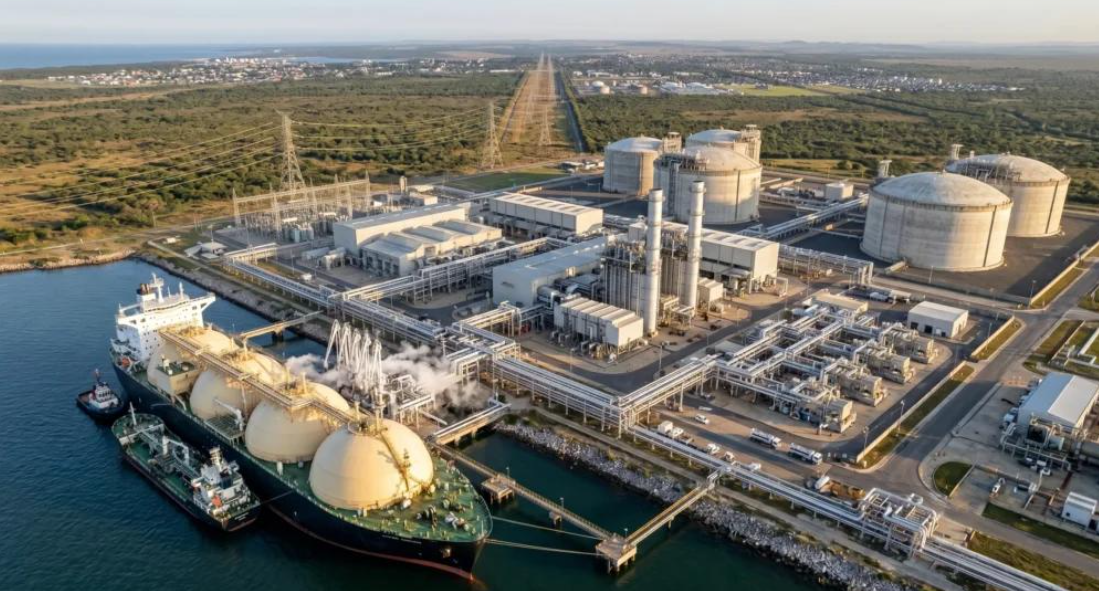
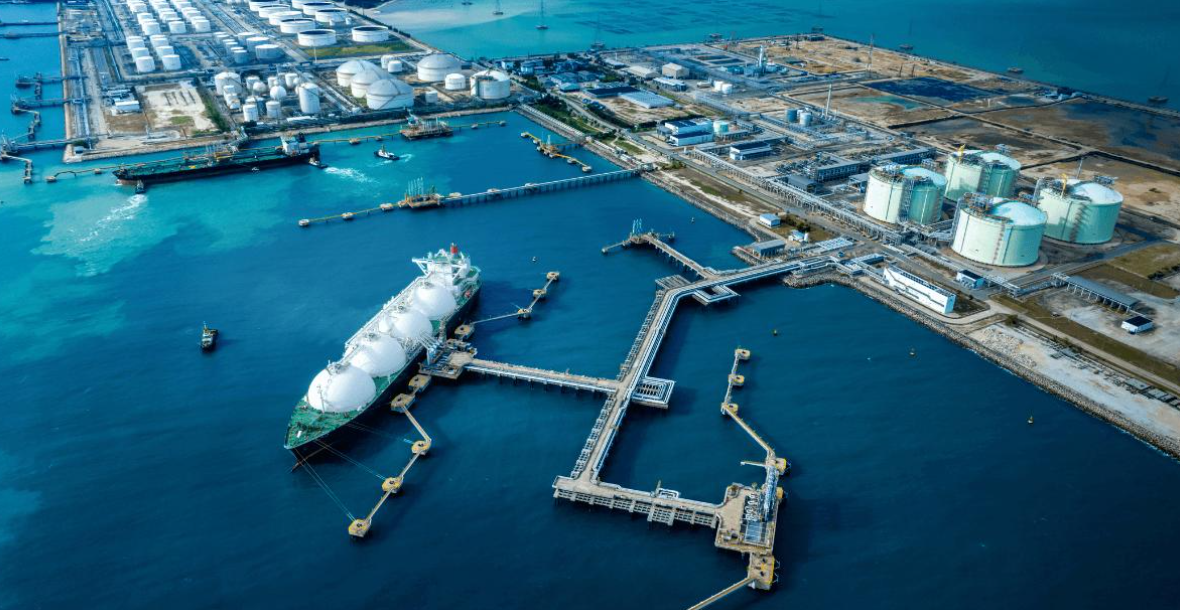
The most advanced near-term project is the Matola LNG Import Terminal near Maputo—a joint venture between TotalEnergies, Gigajoule, and Mozambican authorities. With a 2.5 MTPA FSRU and direct integration into ROMPCO, the terminal is expected to deliver first gas in 2027, pending FID in 2024.
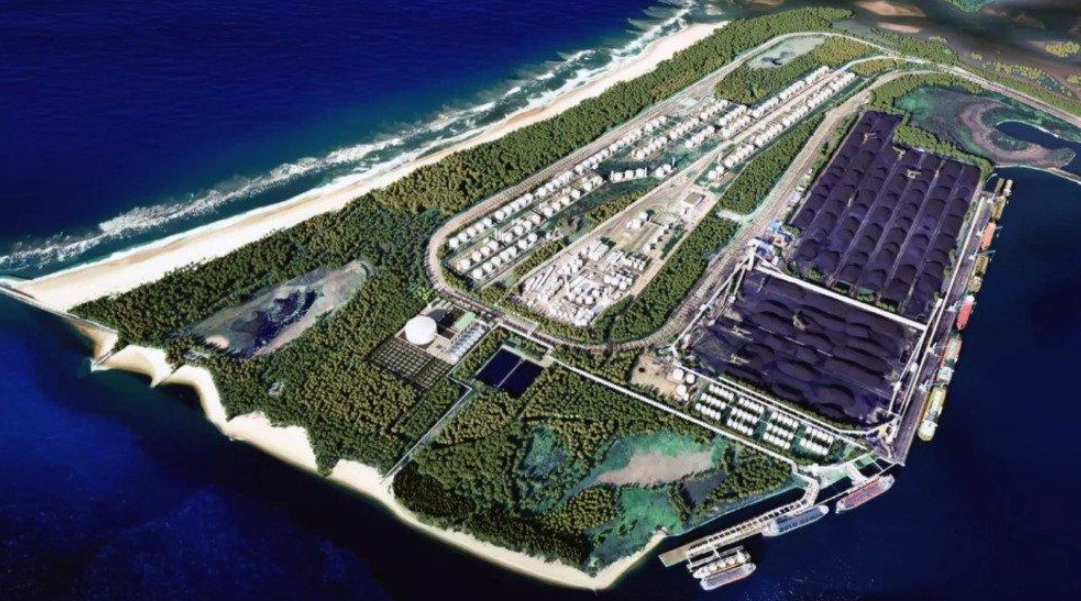
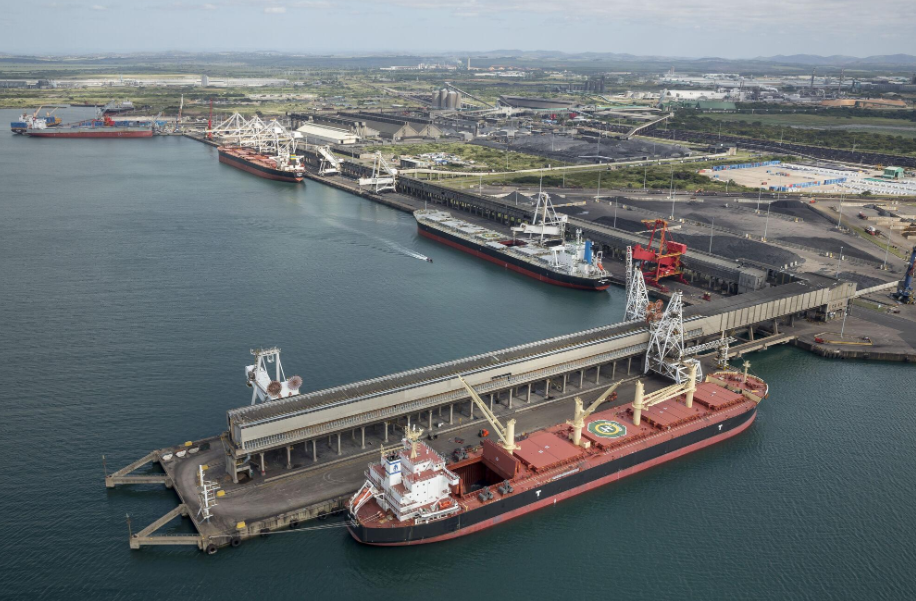
Domestically, the Zululand Energy Terminal (ZET) in Richards Bay—a partnership between Transnet Pipelines, Vopak, and TNPA—is under preparation. The terminal will receive LNG and regasify it for inland distribution. The existing Lilly Pipeline, which currently carries methane-rich gas imported from Mozambique, will be repurposed to transport regasified LNG from Richards Bay to the interior.
In the Eastern Cape, a second South African LNG terminal is planned at Coega, positioned to serve industrial users and power developers in the region. Together with ZET and the cross-border Matola terminal, these projects will anchor the country’s shift to a more diversified, import-enabled gas system.