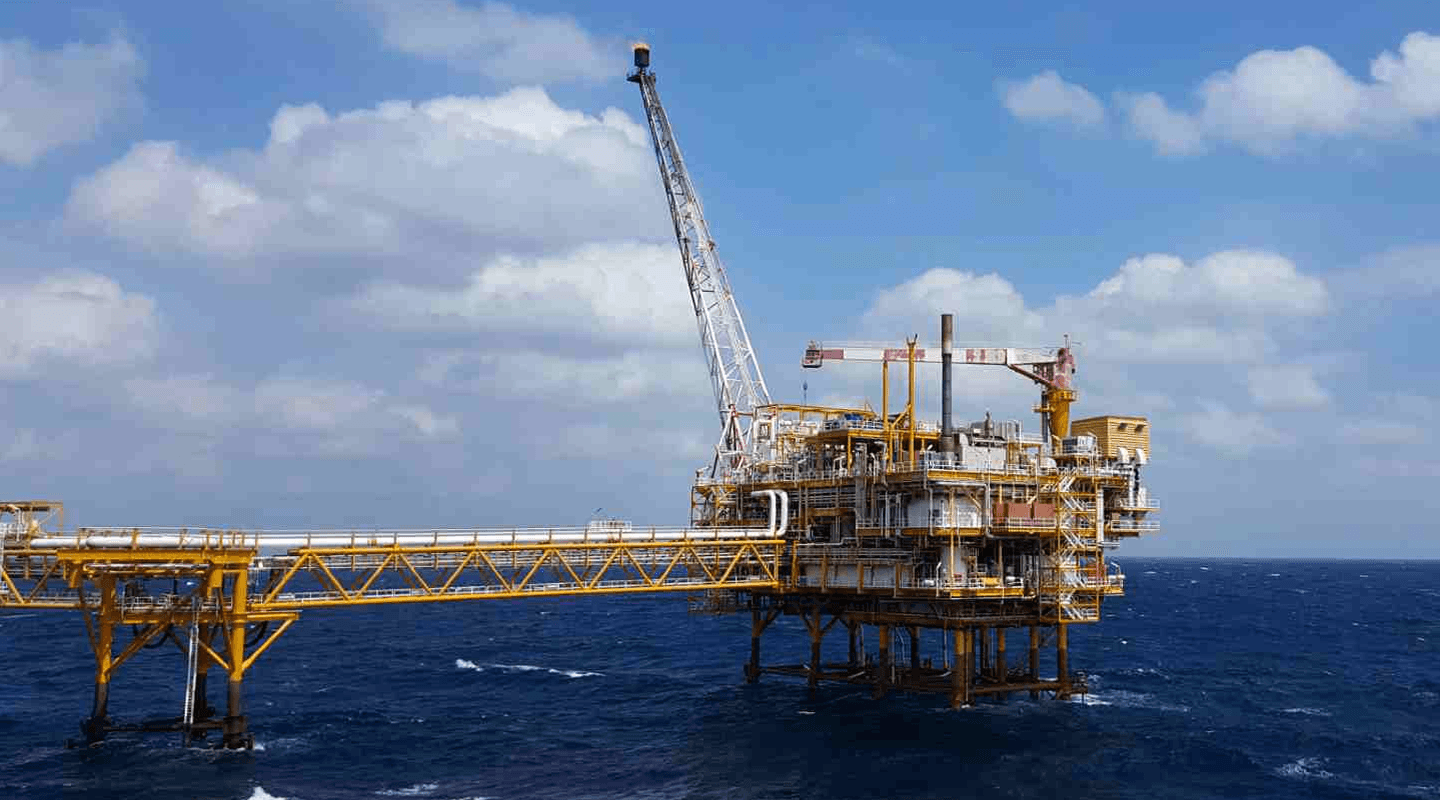
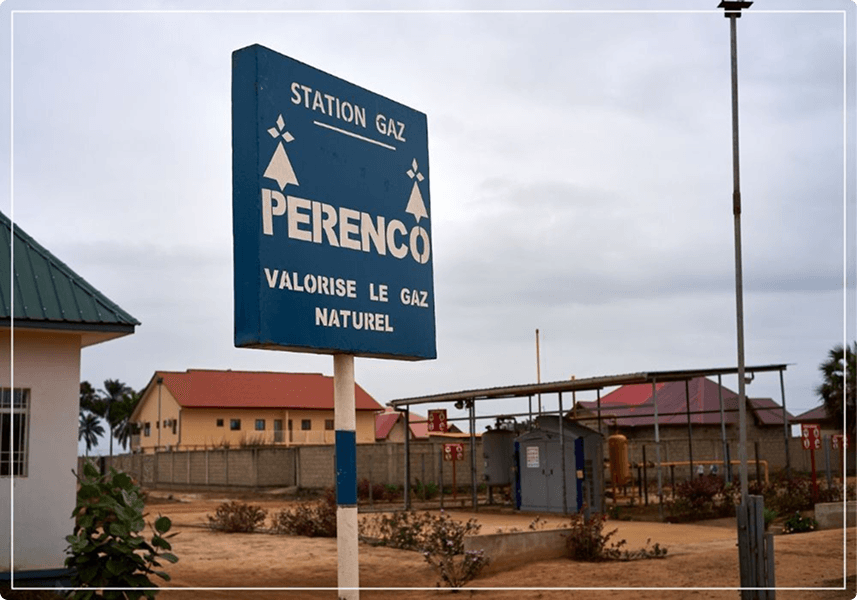
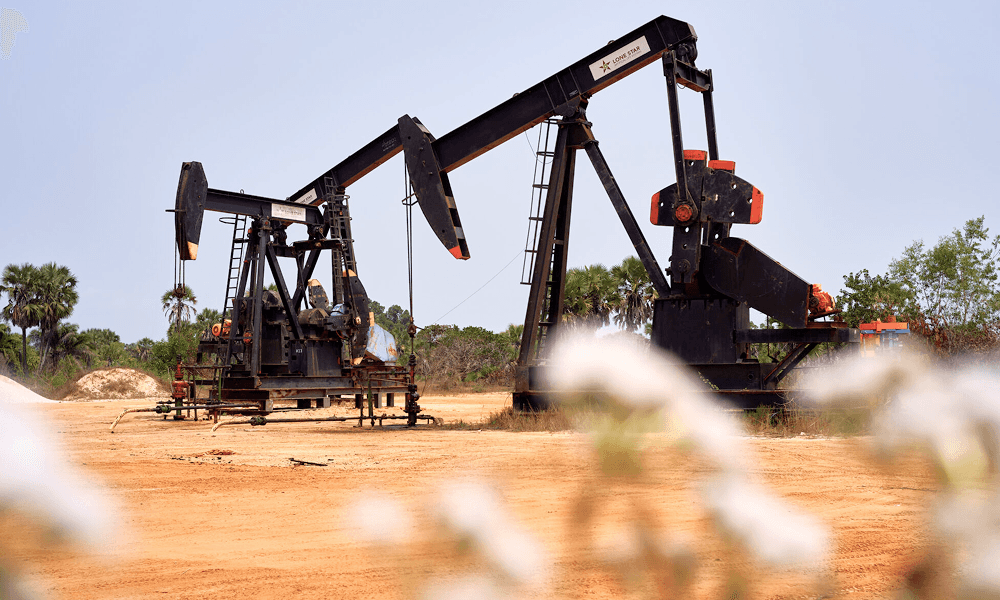
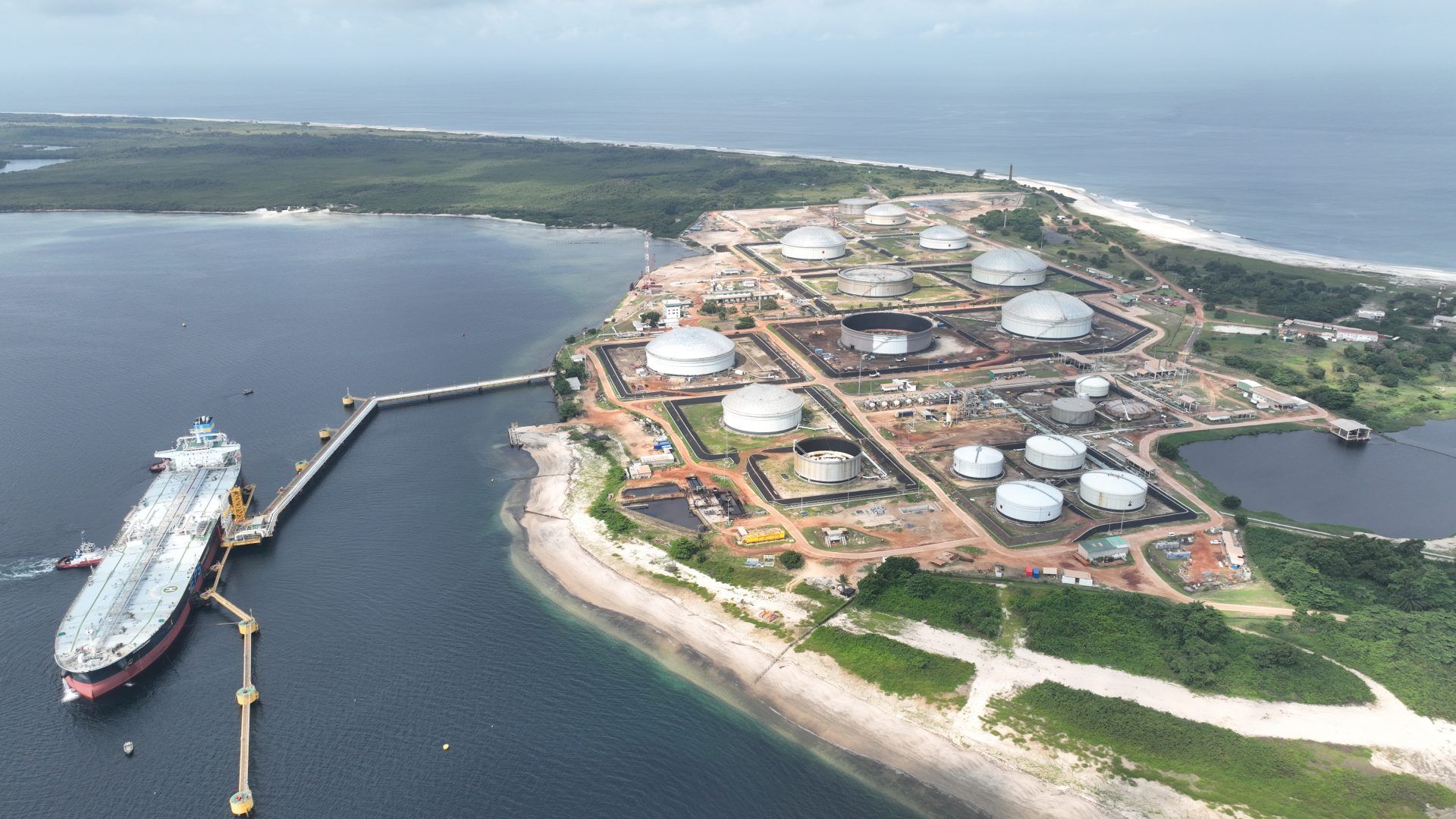
Perenco has long been a pathfinder for gas infrastructure development in Central Africa, proving that gas can be commercially viable—even in challenging environments with limited policy support or market readiness. As early as 2006, the company began building out gas infrastructure in Gabon, investing in a 400-kilometre offshore gas gathering network that linked several fields to a central compression station at Batanga. This allowed it to capture and monetise associated gas that would have otherwise been flared, and deliver it to power plants in Libreville and Port-Gentil—replacing diesel, cutting emissions, and setting the template for gas-for-power in the region.
The model was later scaled in Cameroon, where Perenco became the anchor supplier to the 216 MW Kribi power station, commissioned in 2013. This was followed by the launch of Africa’s first floating LNG platform, the Hilli Episeyo FLNG, off the coast of Sanaga South in 2018—positioning Cameroon as the first African country and second globally to deploy FLNG technology. To date, the project has exported over 70 LNG cargoes, showcasing Perenco’s ability to deliver technically complex infrastructure that meets both domestic and export needs.
Now the story comes full circle—back to Gabon, where Perenco’s gas journey first began. The commissioning of the $50 million Bipaga LPG plant in 2023 was just an appetizer for what’s to come. With a capacity of 15,000 tons per year, the plant has already ended Gabon’s LPG import dependence, but more importantly, it signals a much larger transformation now underway.
Building on this foundation, Perenco is spearheading one of Central Africa’s most ambitious gas infrastructure expansions: the development of a new 550-kilometre pipeline network to unlock stranded reserves in southern offshore Gabon. This network will feed into the planned Cap Lopez LNG terminal, which will make Gabon an LNG exporter for the first time, significantly boost domestic LPG supply, and serve as a long-term platform for monetising flared and stranded gas across the region.
Through this progressive, infrastructure-led strategy, Perenco has redefined what’s possible for gas monetisation in the Gulf of Guinea—turning environmental liabilities into strategic energy assets and setting the standard for practical, integrated energy transition in Africa.