To support its economic diversification, industrialisation and energy security ambitions, the Republic of Congo is increasingly positioning natural gas as a strategic pillar of its energy development. Long dominated by crude oil production, the country is now accelerating efforts to monetise its substantial gas resources through LNG exports, domestic power generation and industrial applications.
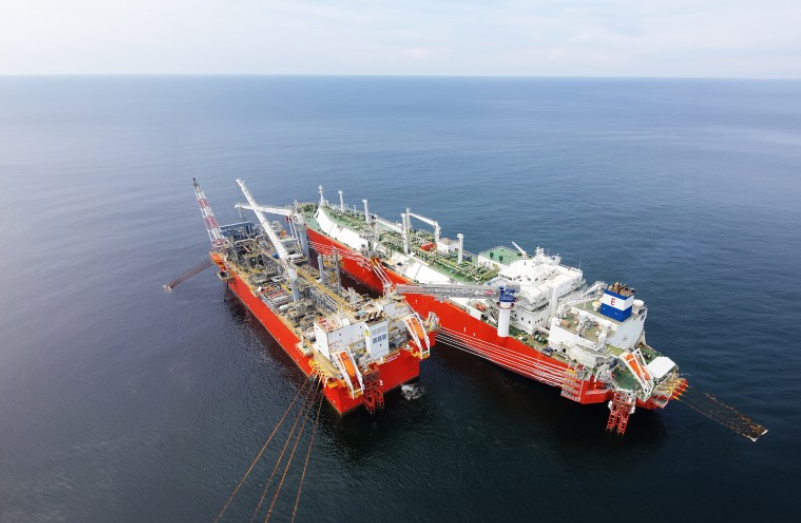
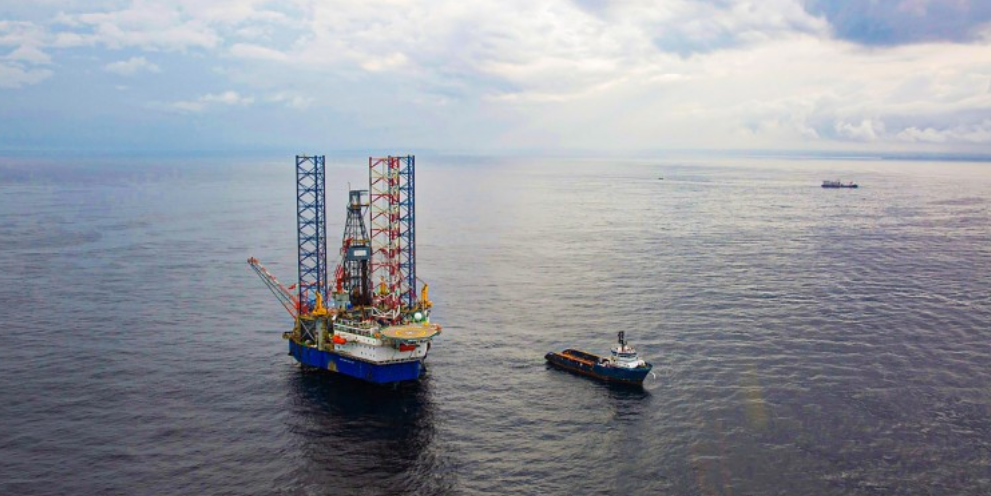
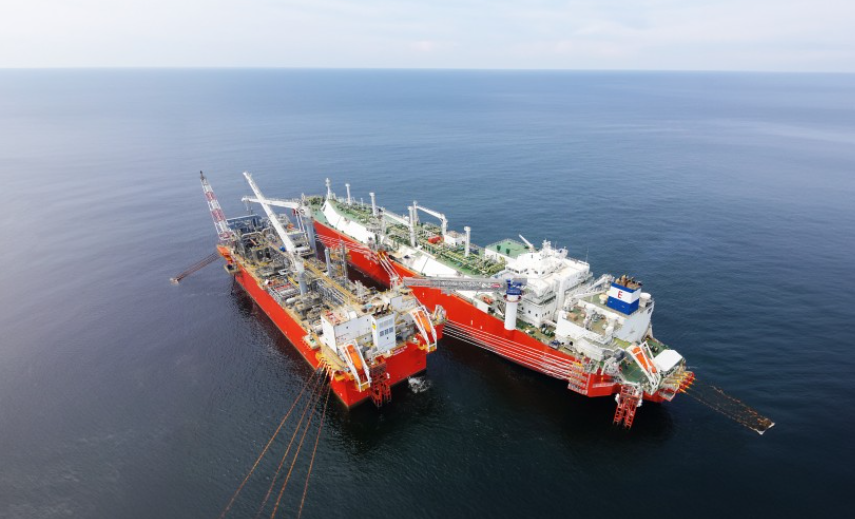
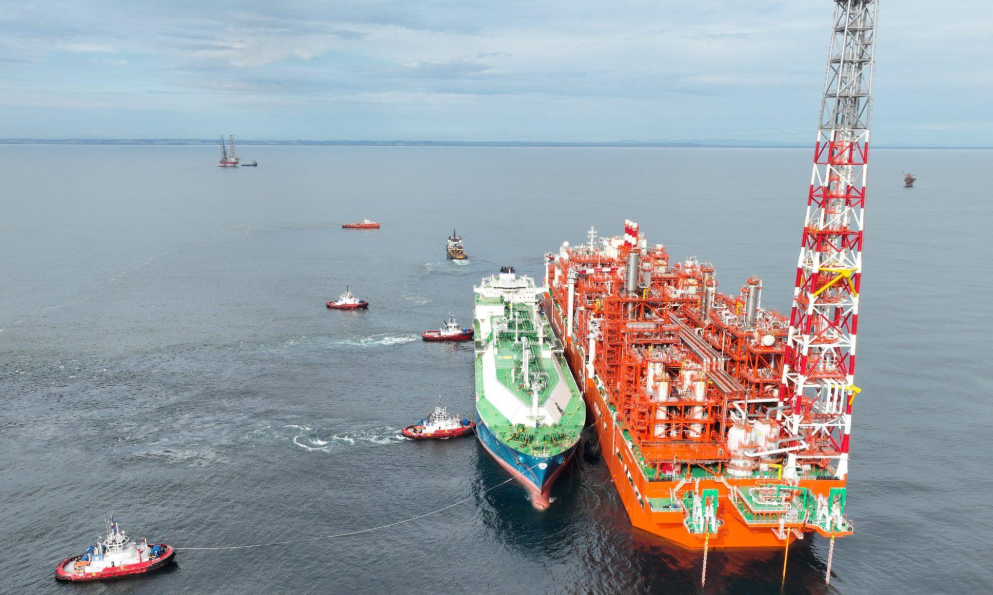
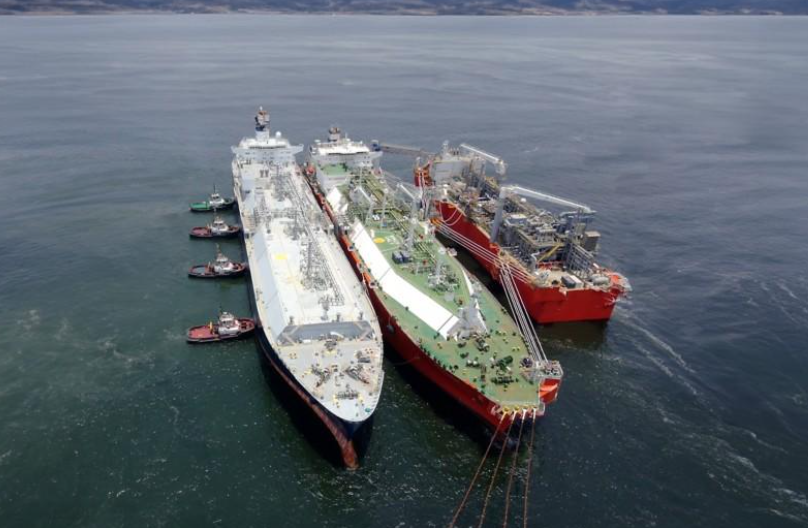
Central to this transformation is the development of the country’s offshore gas resources and the emergence of an LNG export industry. The launch of the Congo LNG project, developed by Eni using gas primarily from the offshore Marine XII block, marked a major milestone in this strategy. First LNG production started in late 2023 with the deployment of Tango FLNG, establishing the Republic of Congo as an LNG exporting country. The subsequent development of a second, larger floating liquefaction unit has significantly expanded the country’s LNG production capacity and reinforced its position in the international gas market.
Historically, Congo’s hydrocarbon industry has been centred on offshore oil production, with international operators including Eni, TotalEnergies and Perenco playing a major role alongside the national oil company, Société Nationale des Pétroles du Congo (SNPC). Gas was initially treated largely as an associated resource, with limited opportunities for commercialisation. Over time, however, investments in gas gathering, processing and power generation infrastructure have progressively created a domestic market for natural gas while reducing the need for flaring.
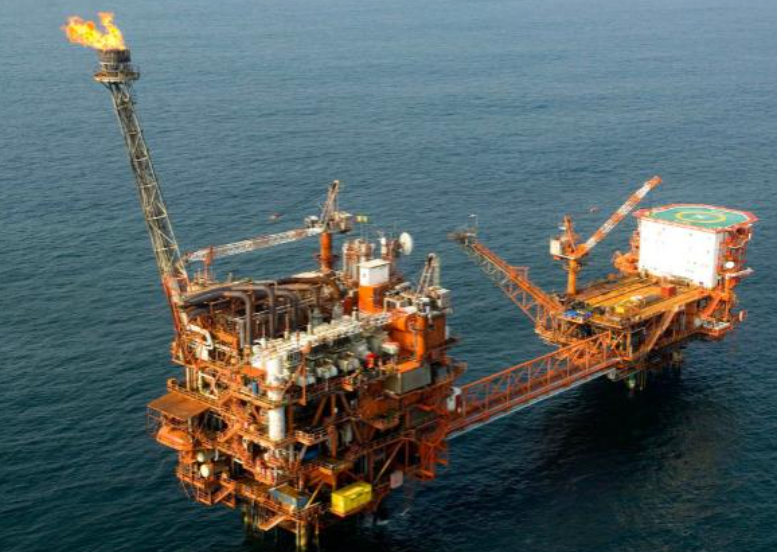
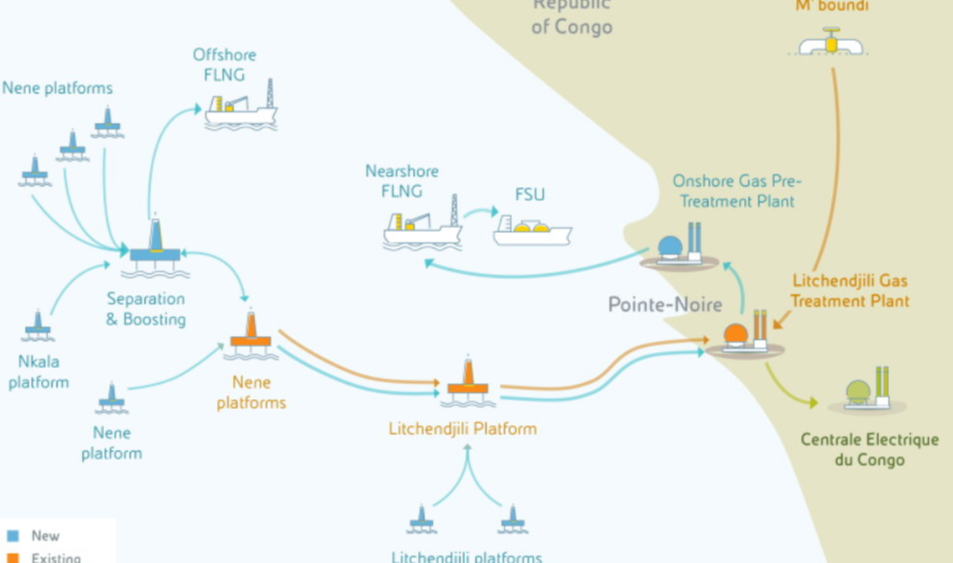
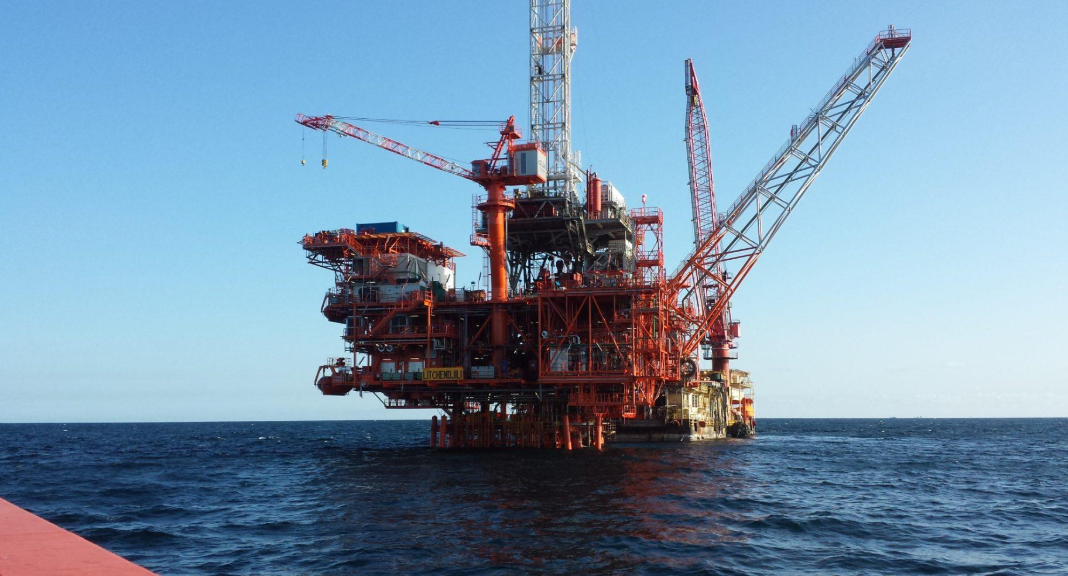
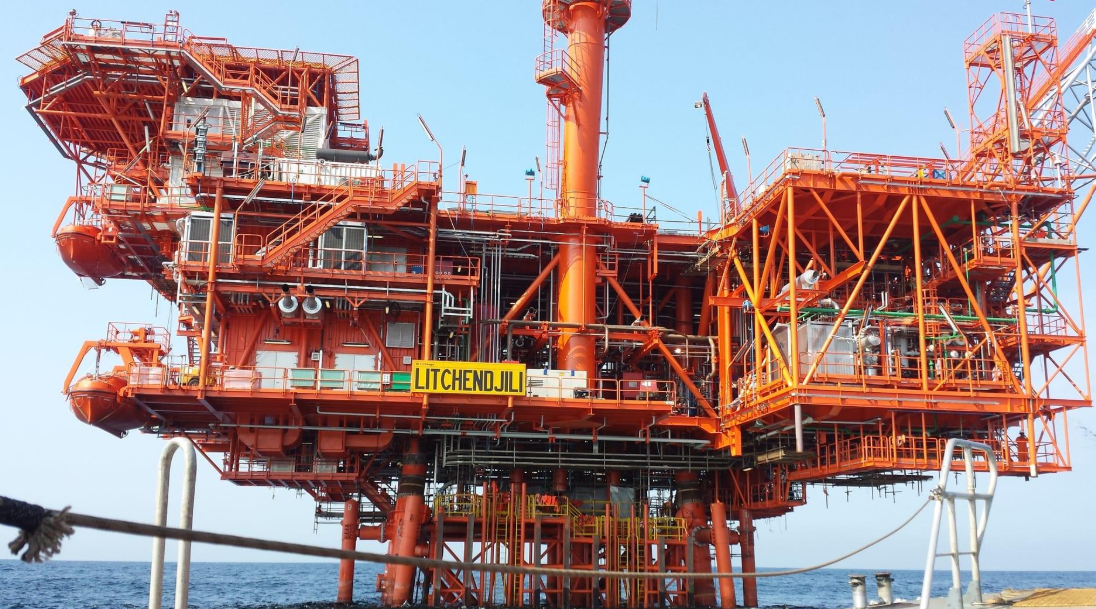
The development of the Marine XII block has been particularly important in changing this dynamic. Gas from fields such as Nené Marine and Litchendjili has supported both domestic energy supply and the development of Congo LNG. Eni’s integrated approach combines offshore production, gas processing and floating liquefaction infrastructure, providing Congo with a route to monetise resources that would otherwise have limited access to international markets.
Domestically, natural gas has also become an important source of electricity generation. Gas produced from offshore fields supplies power infrastructure around Pointe-Noire, including the Centrale Électrique du Congo (CEC), helping strengthen electricity supply for households and industries. Expanding the domestic utilisation of gas beyond power generation remains an important opportunity, particularly for gas-based industries, LPG production and other industrial applications.
Despite this progress, Congo’s domestic gas market and infrastructure remain relatively limited compared with the scale of its resource base. Most production and processing infrastructure is concentrated around Pointe-Noire and the offshore producing areas, while pipeline connectivity to other parts of the country remains underdeveloped. This limits the ability of natural gas to support broader industrialisation and energy access beyond the main coastal economic corridor.
The next phase of Congo’s gas development will therefore depend on its ability to balance growing LNG exports with deeper domestic gas penetration. Continued investment in processing facilities, transmission and distribution infrastructure, gas-to-power capacity and gas-based industries could transform natural gas from primarily an export commodity into a broader engine of economic diversification. With Congo LNG providing new momentum and major operators continuing to invest in offshore resources, the country has an opportunity to establish itself as both an LNG exporter and an increasingly important gas hub in Central Africa