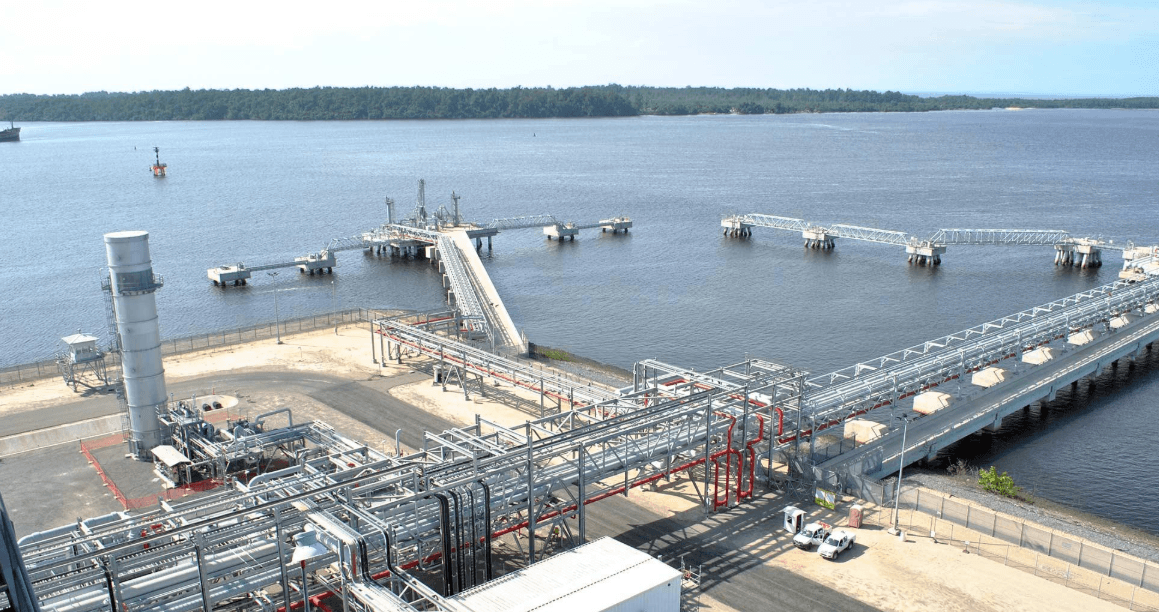
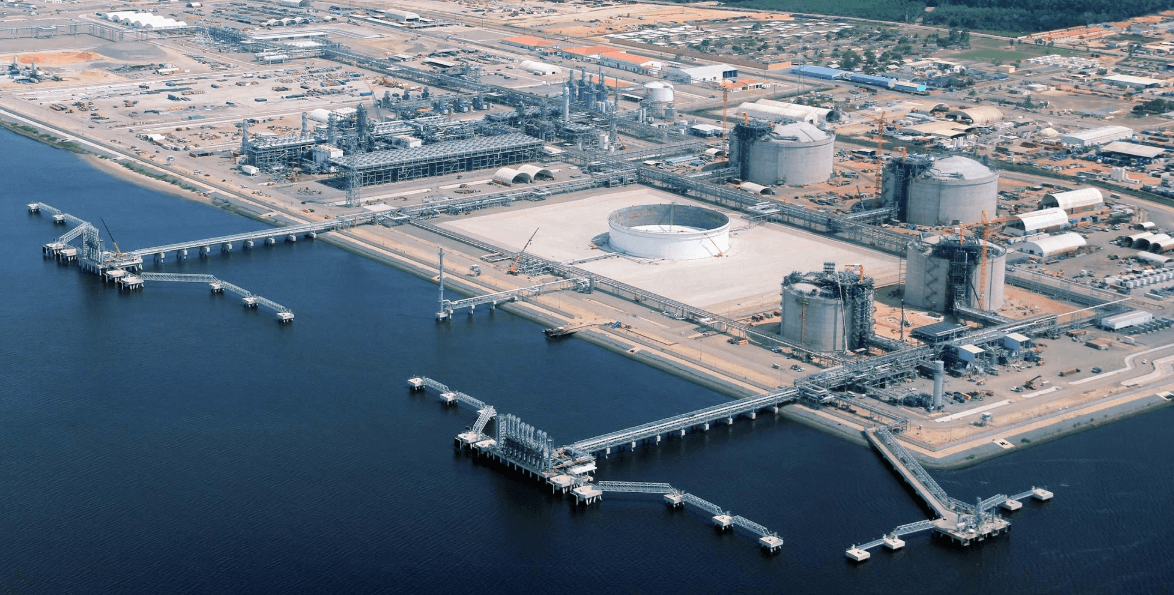
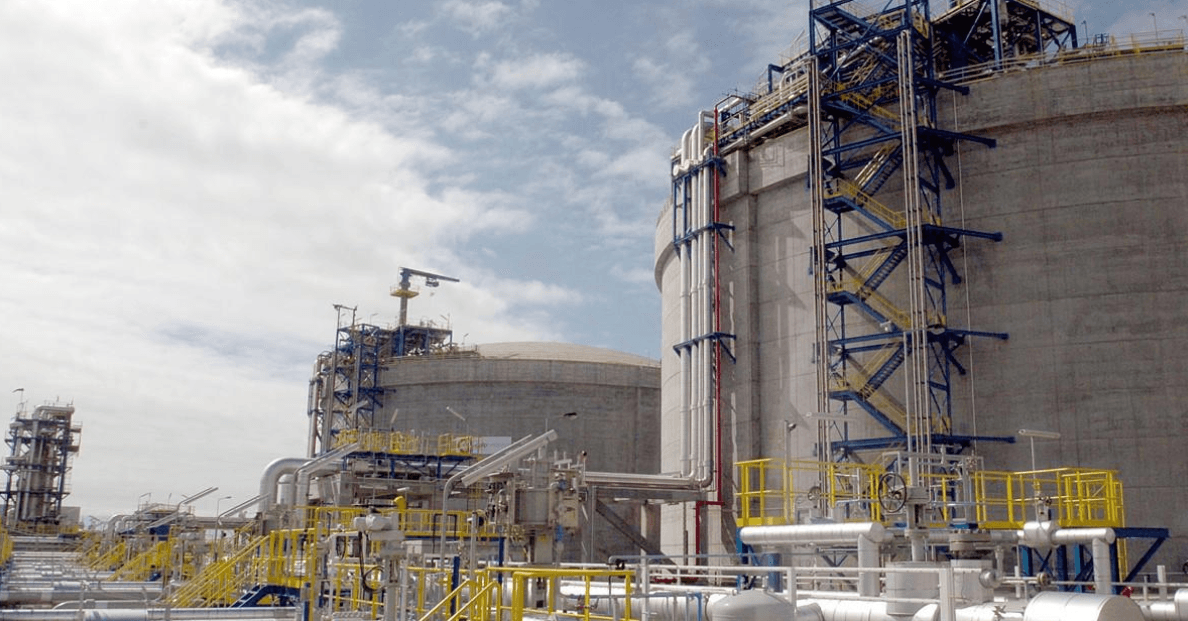
Angola’s gas strategy is first and foremost focused on maximising the utilisation of its existing gas infrastructure, starting with Angola LNG. Due to feedstock challenges, the LNG terminal in Soyo has operated below capacity for several years, exporting less than 4 mtpa since 2021 against an installed capacity of 5.2 mtpa.
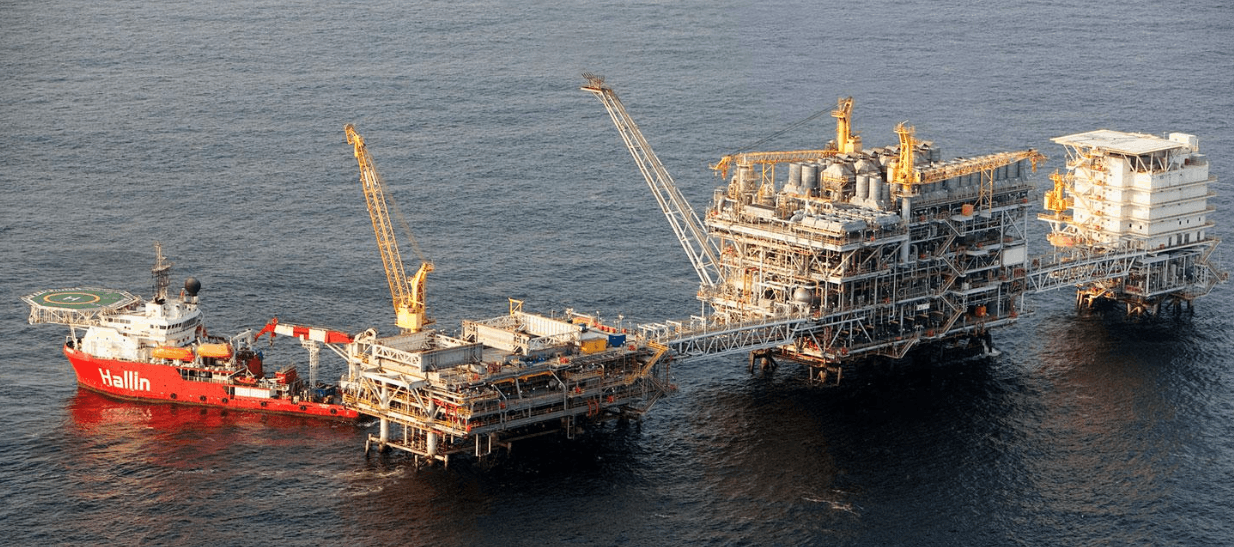
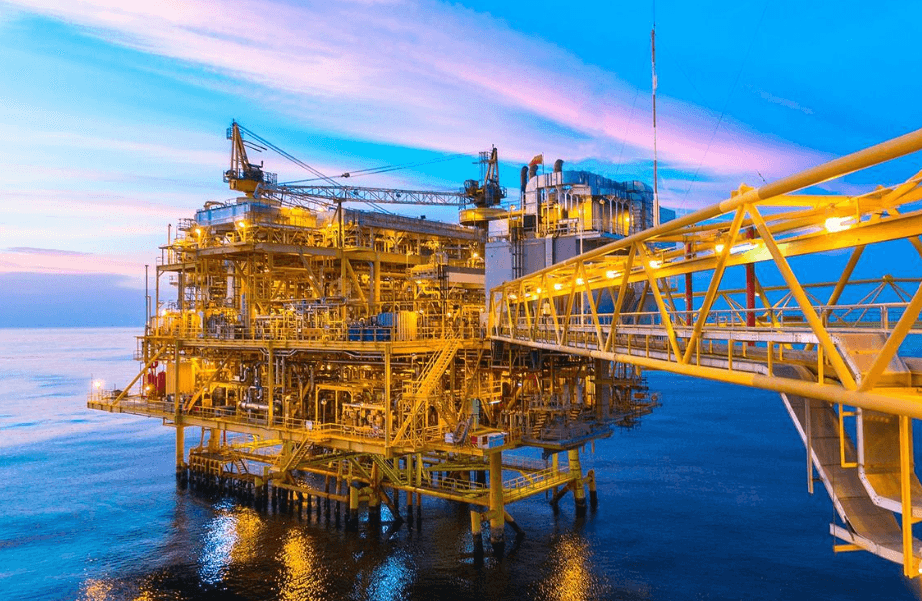
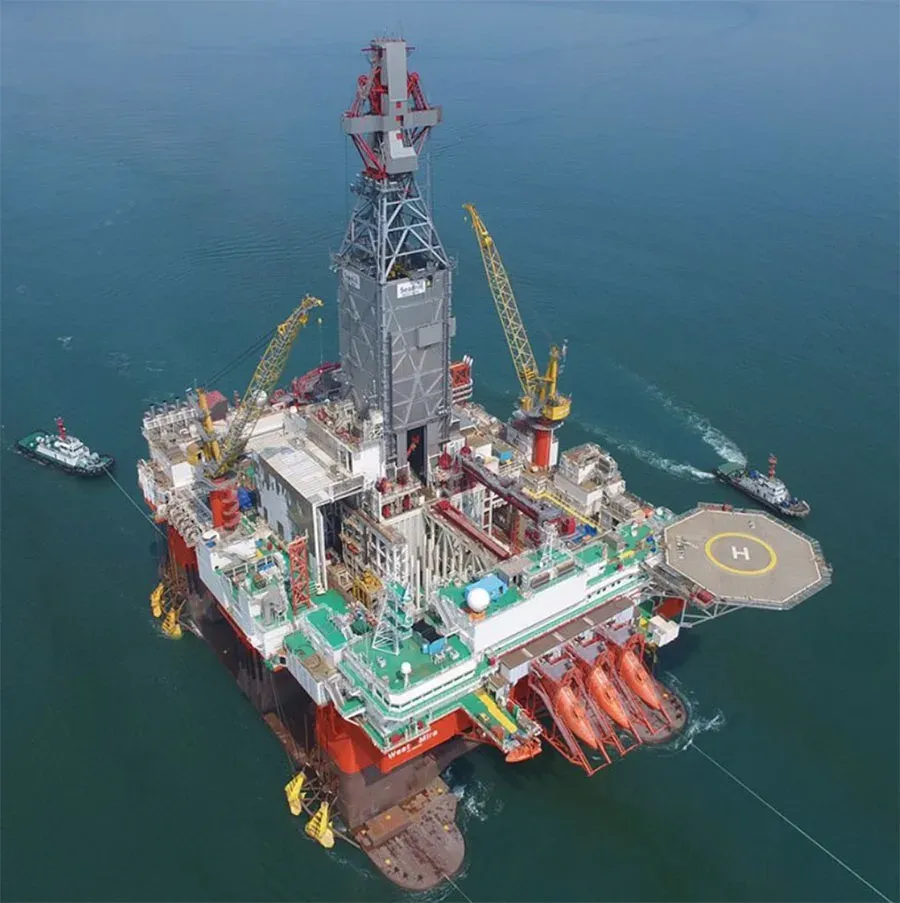
To maximise LNG export potential and revenues, Angola LN’s shareholders gathered around a New Gas Consortium led by Azule Energy (bp-Eni) that took a final investment decision in 2022 on the development of the the Quiluma and Maboqueiro (Q&M) non-associated gas fields. The project is Angola’s first non-associated gas development and consists of two offshore wellhead platforms, an onshore gas processing plant and a connection to Angola LNG plant for the marketing of condensates and gas via LNG cargoes. First gas is expected in 2026 for a production of 330 MMscf/day at plateau, or about 4 Bcm per year.
Meanwhile, the Draft Gas Master Plan of 2024 highlights the potential of Angolan gas to support a new petrochemicals value-chain for the production of fertilizers, methanol, and olefins. This import-substitution strategy would target key products such as chemicals, plastics, rubbers, leather or textiles/apparel that represent almost $2bn of imports for Angola every year.
Plans include, among others, the production of at least 1 million tonnes of ammonia and urea. Such plans are already in motion, with the OPAIA Group’s subsidiary Amufert S.A. awarded a $1.4bn EPC contract at the end of 2024 to build a new fertilzer plant in Soyo. The $2bn plant is backed by Afreximbank and targets a production of 4,000 metric tons per day of urea.
Existing cement, steel, glass or aluminum industries could also benefit from the availability of gas as a heat source for their furnaces. Angola is currently working to revive its Cassinga iron ore mines to boost steel production, but other industrial units already exist and could make credible off-takers, such as the ADA Aceria in Barra do Dande or the Cuchi Steel Mill in Menongue.