As gas is exported to generate dollar earnings, Senegal’s energy future relies above all on monetizing it domestically, in a country where imported heavy fuels dominate the electricity mix. Should gas be made available locally, Senegal expects its gas demand to grow to 2 Bcm in 2030 and 4 Bcm in 2050, half of which would be for power generation.
To support the emergence of a midstream and downstream gas sector, Senegal adopted a Gas Code in 2020 (Law N. 2020-06) to provide a regulatory framework for the sector. The Code stipulates third-party access to gas infrastructure, the establishment of a gas regulator, the protection of the rights and interests of producers and consumers, and the respect of international QHSE norms across the supply-chain.
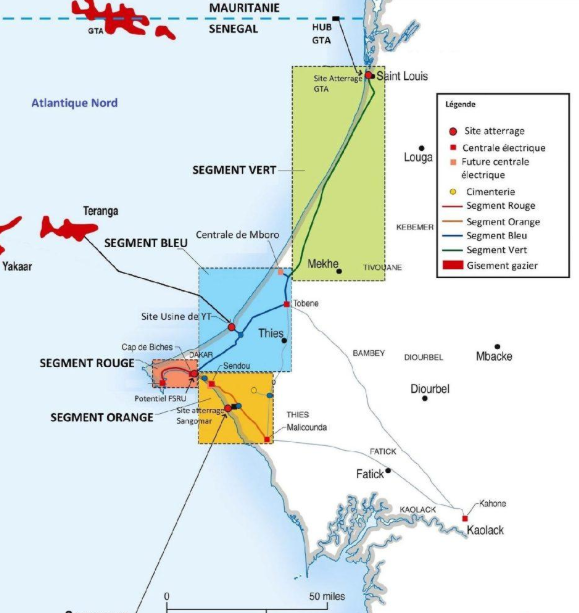
Since then, the Réseau Gazier du Sénégal (RGS SA) - owned by national oil company PETROSEN (51%), the sovereign wealth fund FONSIS (39%), and state utility SENELEC (10%) - has proposed the building of a $300m, 472km pipeline network to connect the GTA and Yakaar-Teranga offshore gas fields with key consumption hubs across the country.
The network is critical to advancing decarbonization by supplying domestic gas to thermal plants set for conversion (Cap des Biches, Tobene, Sendou, Malicounda) and supporting new gas-to-power plants in development in Cap des Biches, Saint Louis and Mboro. Together, these power projects could deliver an estimated 2 GW of cleaner and cheaper thermal power, strengthening energy access and building grid resilience to achieve a target of 40% renewable energy in the electricity mix by 2035.
In addition, this future Senegal gas grid is expected to anchor the country’s gas-to-industry ambitions by supplying natural gas to key cement and fertilizer businesses like Dangote Cement, Sococim Industries, Industries Chimiques du Sénégal (ICS), and Petrosen Trading & Services’ planned petrochemicals plant. This strategy will accelerate industrialization and improve living standards in accordance with the Emerging Senegal Plan (PSE), with a key target of producing some 1 million tonnes per year of ammonia/urea for farmers.
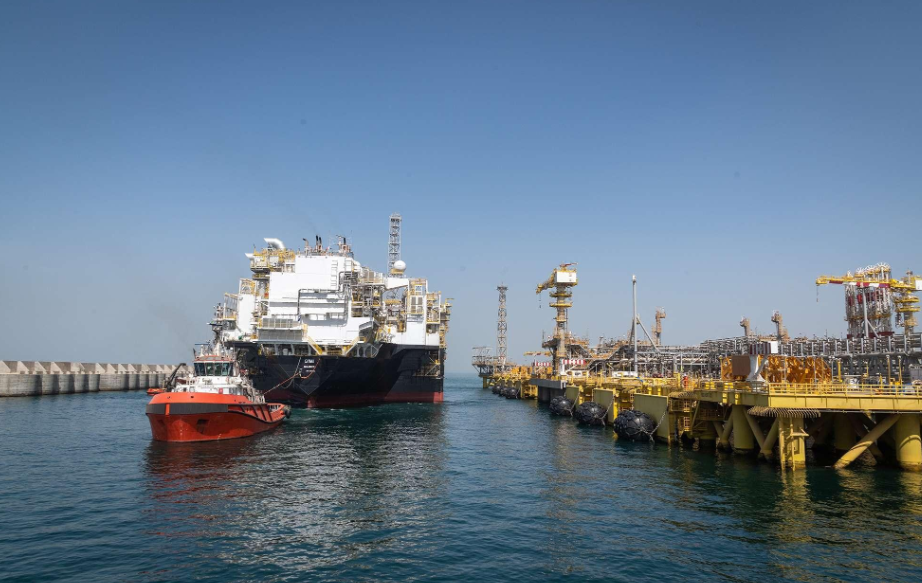
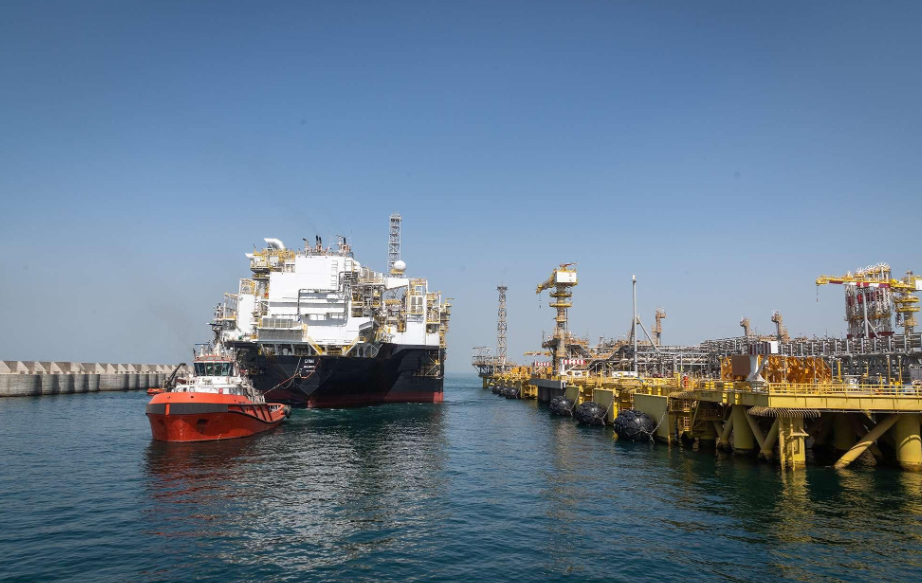
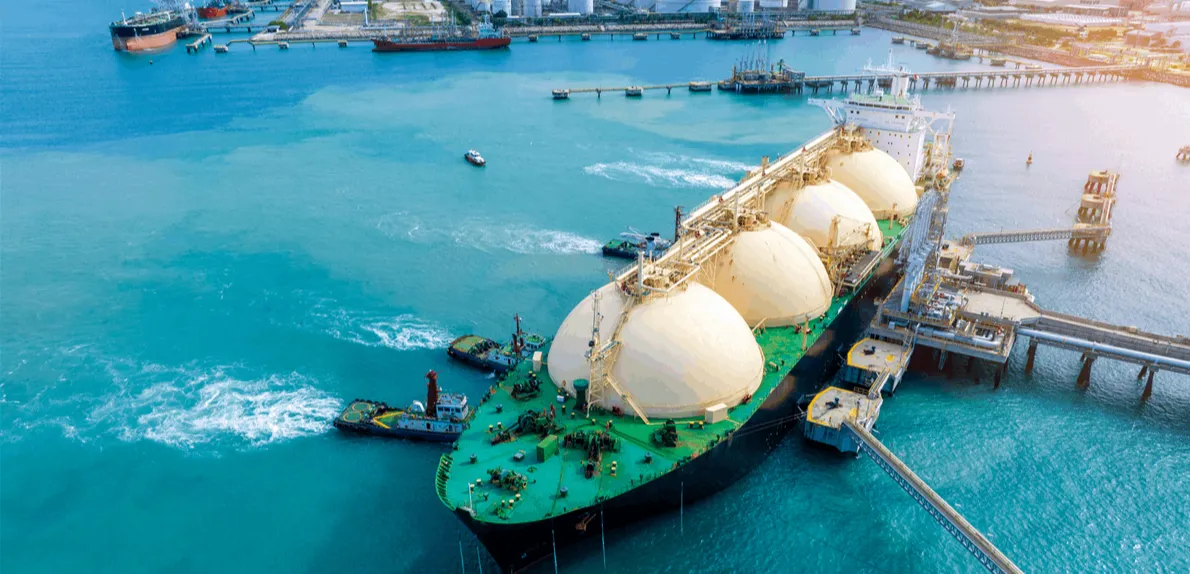
Without securing capital for its pipeline network, Senegal risks continued dependency on expensive gas imports. The Karmol FSRU arrived in Dakar in 2021 with plans to supply imported LNG to the 335 MW Karadeniz Powership Aysegul Sultan located in the Port of Dakar, but the rise in gas prices following the Russia-Ukraine war has delayed such plans. Meanwhile, local company Elton Oil is planning an LNG import terminal in the Port of Dakar to provide an alternative gas supply option to power plants at Cap des Biches while the domestic gas grid gets developed.