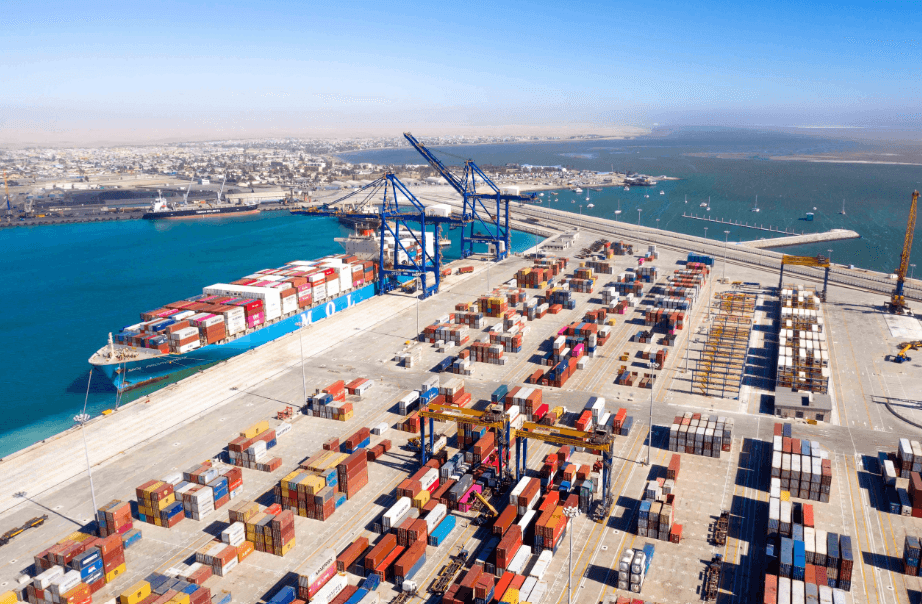
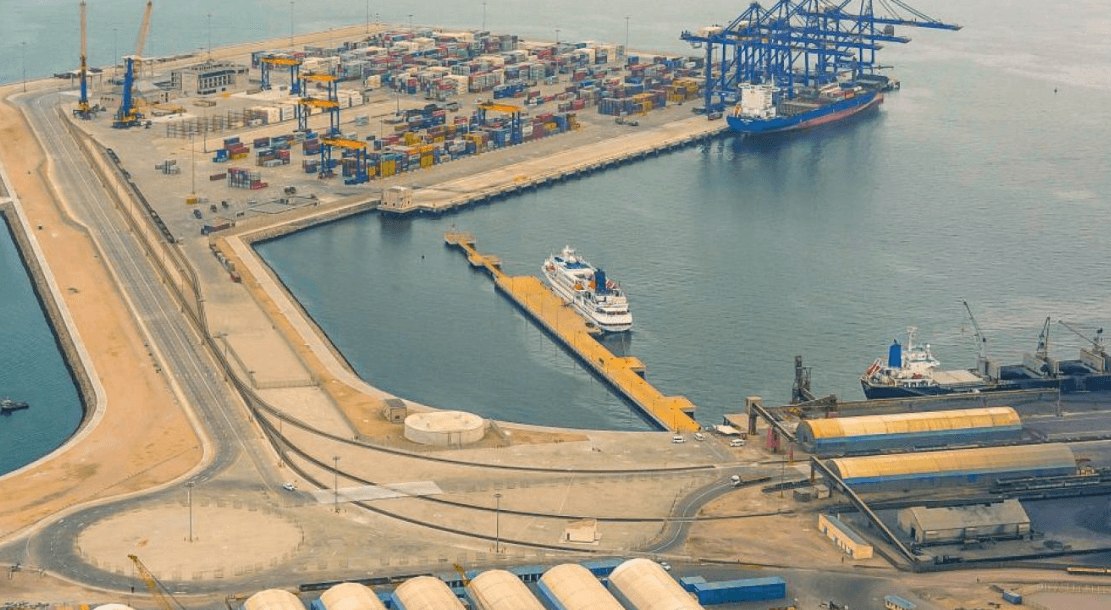
The port city of Walvis Bay is emerging as the focal point of Namibia's future gas infrastructure strategy, with several private-sector initiatives laying the foundations for a regional gas and energy hub. As offshore oil and gas developments advance, the port is expected to play a critical role in supporting imports, storage, power generation and future gas monetisation.
One of the most advanced projects is the Erongo LPG Terminal, which is under development at the Port of Walvis Bay. With a planned 9,000-tonne storage capacity, the terminal will strengthen LPG supply security for Namibia while serving neighbouring SADC markets through the strategically located Walvis Bay Corridor, which connects Namibia to Botswana, Zambia, Zimbabwe and other landlocked countries.
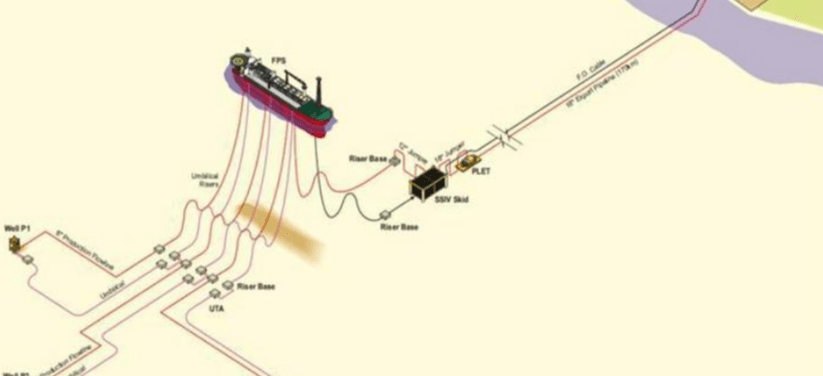
Walvis Bay is also central to Namibia's longer-term gas-to-power ambitions. Plans for the Walvis Bay LNG Import Terminal, incorporating a floating storage and regasification unit (FSRU), remain under development alongside the proposed Nathaniel Maxuilili Power Plant. The integrated project is designed to import LNG, regasify it at the port and transport natural gas via a dedicated pipeline to fuel large-scale power generation, providing a bridge until domestic offshore gas production comes online. Environmental approvals have continued to progress, while the project remains part of Namibia's long-term energy infrastructure strategy.
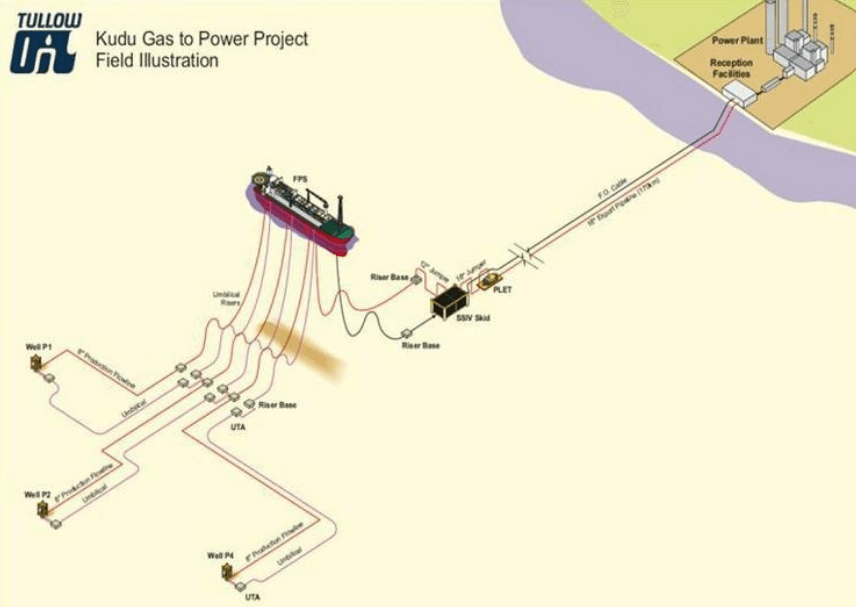
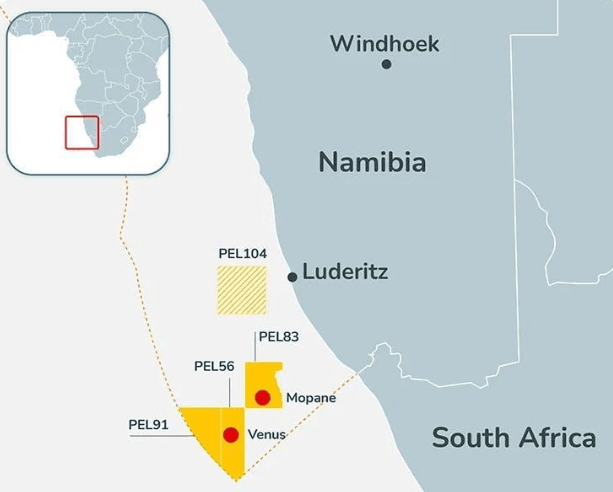
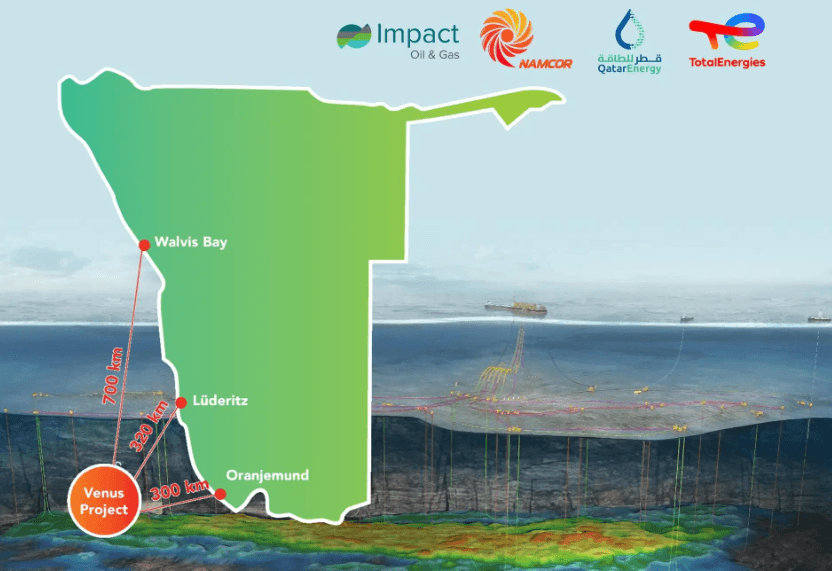
Together with the Kudu Gas Project and future associated gas developments in the Orange Basin, these investments position Walvis Bay as a strategic gateway for Namibia's emerging gas economy, supporting energy security, industrial growth and regional energy integration.